Waiting for the Barbarians
Pranav Iyer · Jan. 26, 2026, 5:10 p.m.
I've just finished reading Waiting for the Barbarians, by J. M. Coetzee. Without a doubt one of my favorite books of the past year—short, precisely written, and incredibly powerful, will definitely be thinking about it in the months to come.
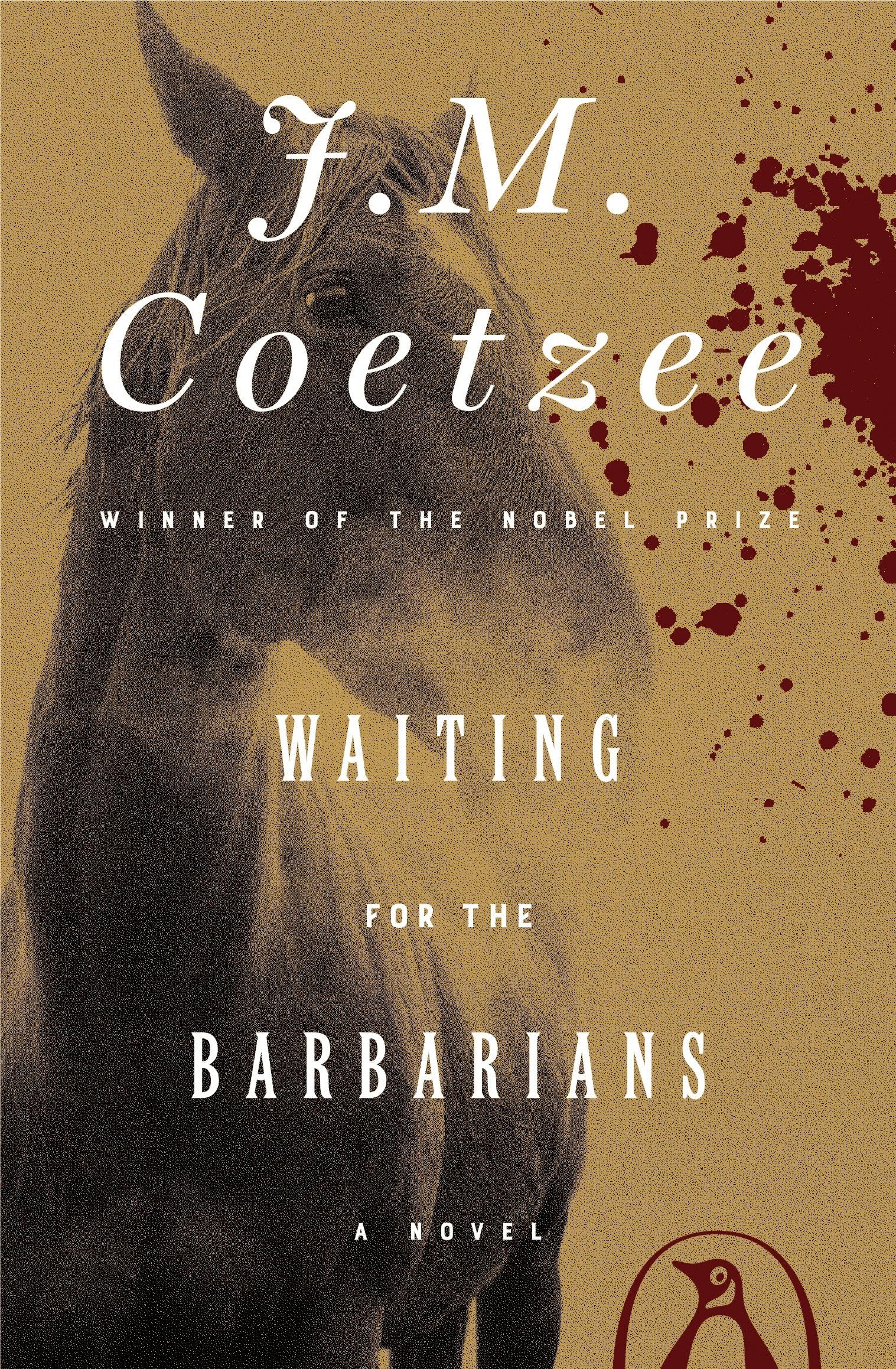
The cover of my copy of Waiting for the Barbarians.
I think the thing that impressed me the most about this book was the honesty in Coetzee's portrayal of the Magistrate—his actions are brave, even bordering on noble, and yet the entire book is completely filled with a raw, sometimes ugly, sense of his own humanity, his own failings. He alternates between high ideals and righteous force, and the shame and impotency of an old man. I don't think I've read many authors that can manage this kind of tension in a character without losing the battle to one side, either stereotyping themselves into an overly virtuous hero, or becoming uncredibly contradictory—I think Coetzee manages this very very well.
And of course it's impossible to read this book today and not draw many parallels with the current moment—I would wager there are many of us today who feel a bit like the Magistrate when it comes to politics, shouting pointlessly against a needlessly cruel world. The passage on this theme that stuck with me the most reads:
What has made it impossible for us to live in time like fish in water, like birds in air, like children? It is the fault of Empire! Empire has created the time of history. Empire has located its existence not in the smooth recurrent spinning time of the cycle of the seasons but in the jagged time of rise and fall, of beginning and end, of catastrophe.
It certainly feels a bit like we are living the jagged time of rise and fall.
Great read, recommend it highly—will definitely return to another one of his books next year.
powered by
 ·
made with
-ly
·
made with
-ly
·
made with
-ly